

If someone had told me a decade ago that one of my favourite places on Earth would be a tiny village tucked into the mountains of western Spain, I probably would’ve laughed. But here I am — ten years and countless visits later — head over heels for a place I never would’ve discovered if it weren’t for my wife’s family.
Monsagro is where her parents live, and over time, it’s become more than a family retreat — it’s a slice of mountain magic I’ve come to treasure. From fossil-stamped houses to flower-filled trails, this place is rich in natural wonder and rural charm. And yet, unless you’ve got family here or stumble upon it by chance, you’d probably never hear of it.
That’s a shame. So let me introduce you to Monsagro — a fossil village, a hiking haven, and a time capsule of Spanish mountain life.
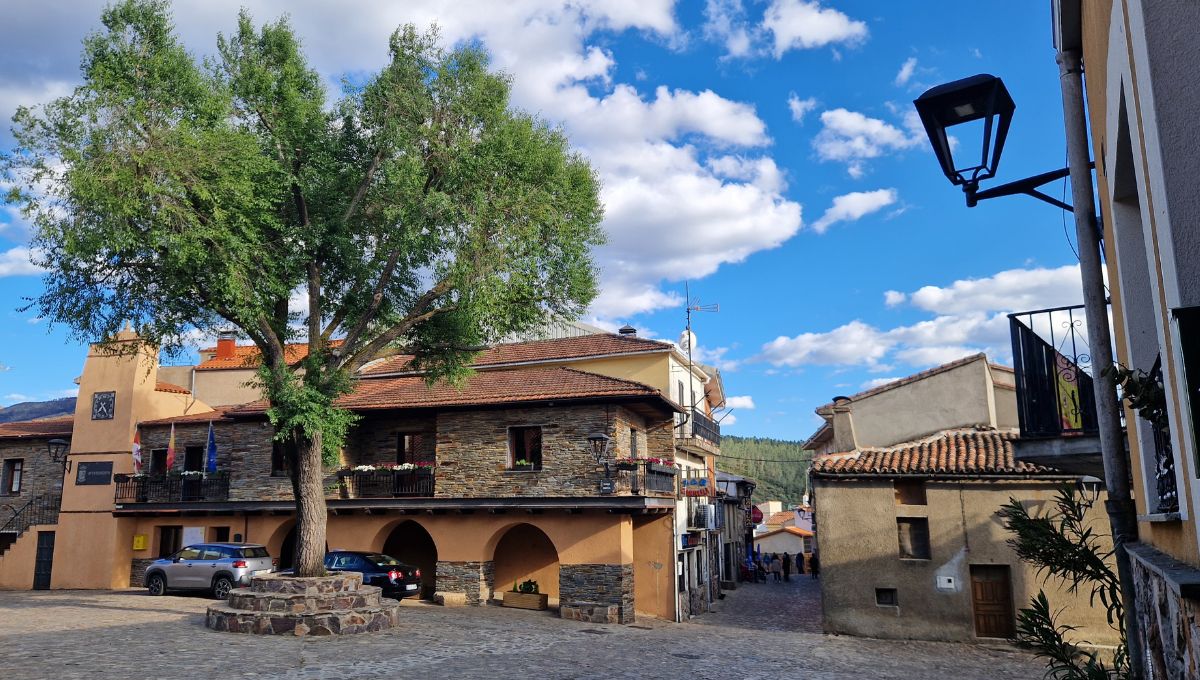
Where Is Monsagro? Why Visit This Hidden Gem in Spain
Location & Natural Setting
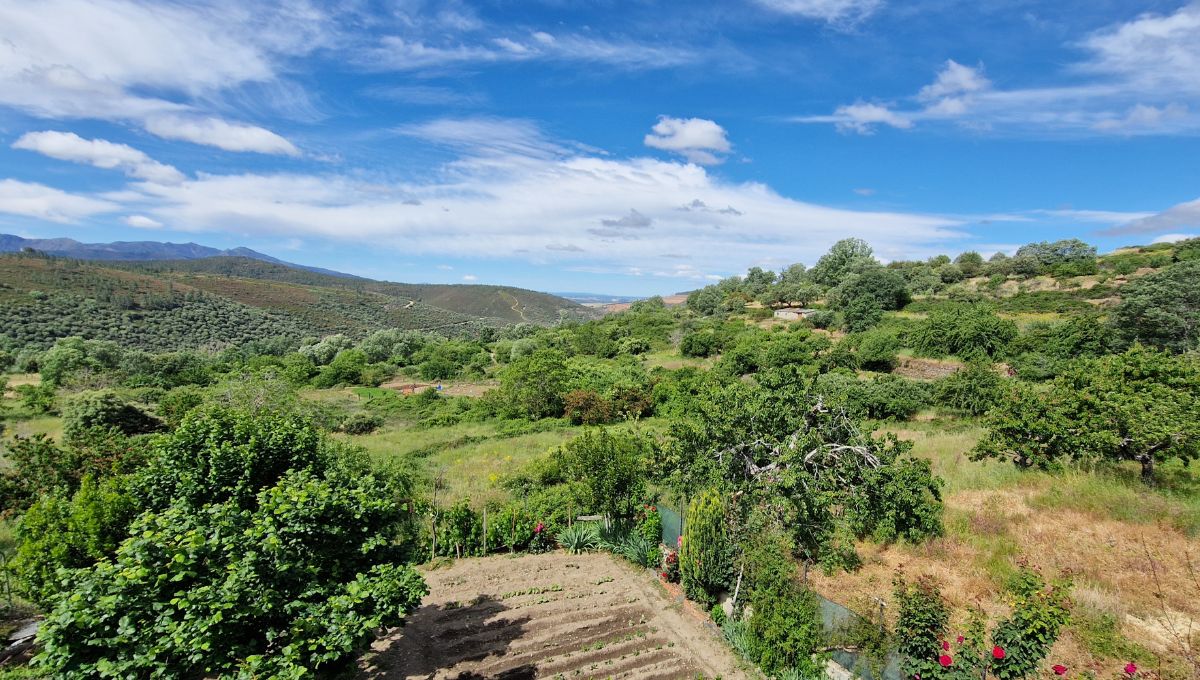
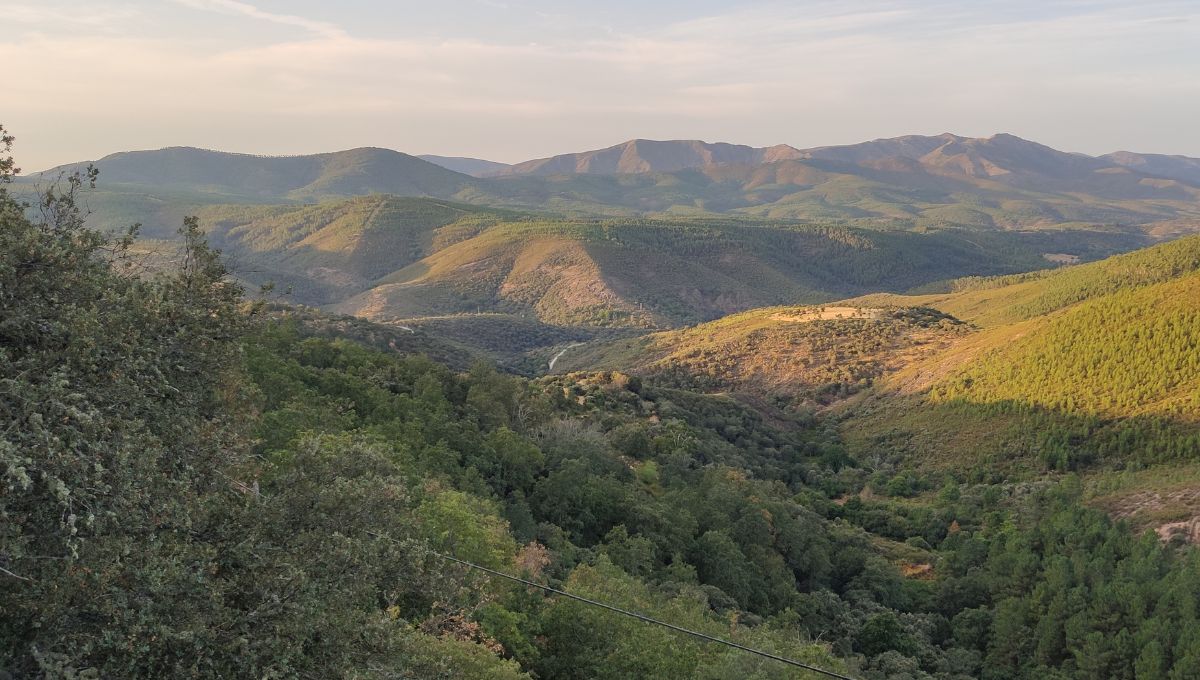
Monsagro is nestled in the Sierra de Francia mountains, about 90 minutes southwest of Salamanca and just a stone’s throw from the Portuguese border. It sits inside the Las Batuecas–Sierra de Francia Natural Park, a UNESCO Biosphere Reserve since 2006, known for its dramatic landscapes, deep forests, and remote, slow-living villages.
The road into Monsagro is narrow and winding — the kind that makes your GPS sweat a little — but it’s worth every bend. You’ll pass oak groves, chestnut forests, and maybe even spot a few deer or eagles along the way. It’s the kind of place that makes you slow down. In all the best ways.
A Place with Legendary Roots
Even the name Monsagro hints at something ancient and mysterious. Some say it comes from Monte Sagrado (“Sacred Mountain”), others from Montesangriento (“Bloody Mountain”) — a reference to a legendary battle in 863 AD where Bishop Hilario and his men fought Moorish forces. According to local lore, the bishop fell in battle, and his tomb was later discovered near the village.
True or not, stories like this give Monsagro a mythical edge. It’s a place where history and legend blur, and it only adds to the sense of wonder.
Things to Do in Monsagro – What Makes This Village Special
Walk Through a Living Fossil Museum
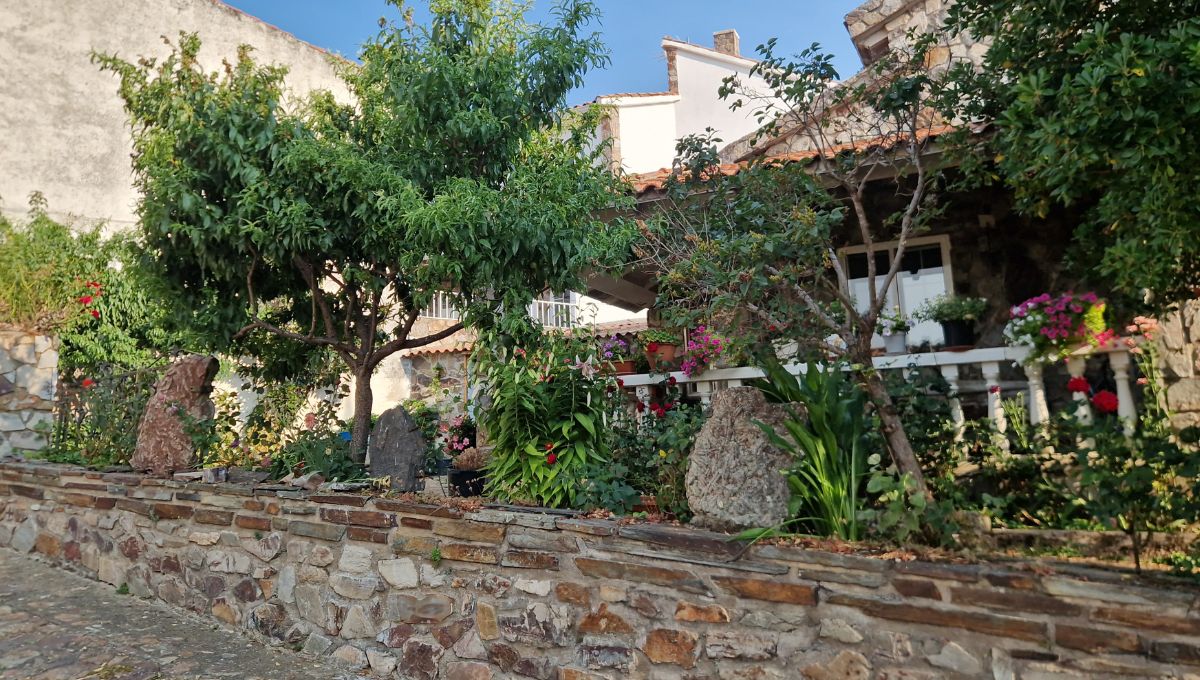
What probably makes the village most famous is the fact that Monsagro is essentially one giant fossil museum. Millions of years ago, this area was underwater — home to trilobites, worm-like creatures, and ripple-marked seabeds. Over time, their traces were fossilised in quartzite rock.
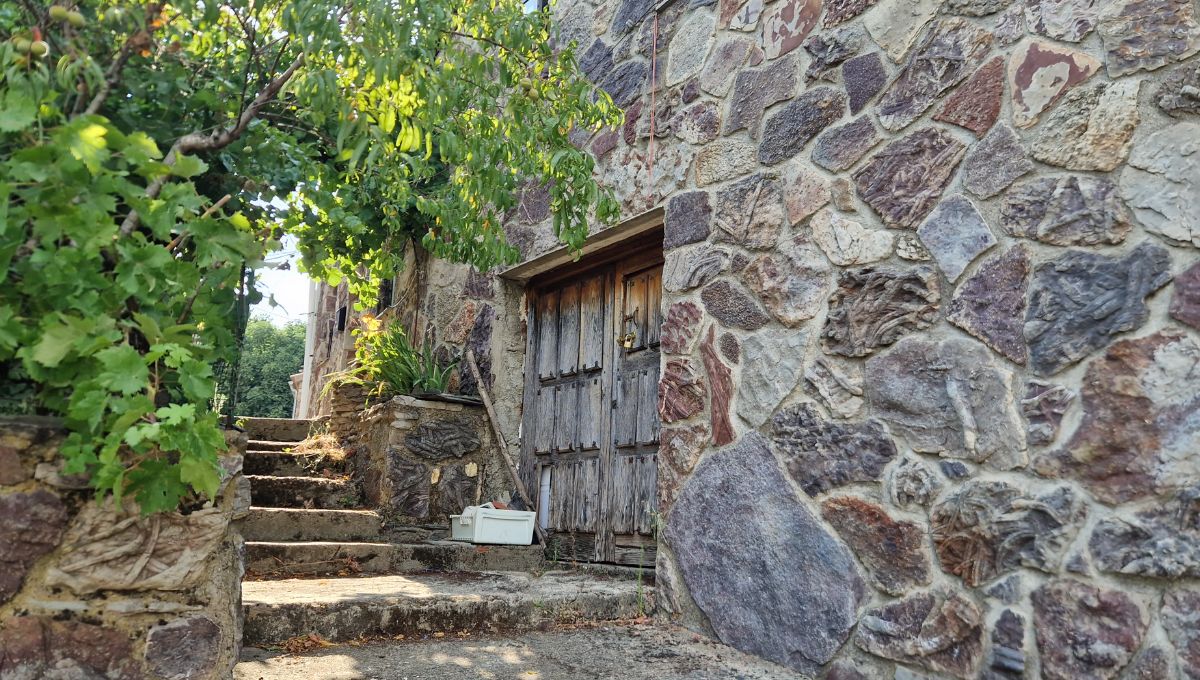
Fast forward a few epochs, and locals used those fossil-studded rocks to decorate their homes. Seriously. You can walk through the village and spot Cruzianas (trilobite trails), skolithos (vertical burrows), and even ancient wave marks right on someone’s front wall.
I’ll never forget the first time I saw them — just there on random houses, embedded in stone beside a window box of geraniums. Nature’s graffiti, 500 million years old. You don’t need a museum ticket. Just a good eye.
Follow the Fossil Route
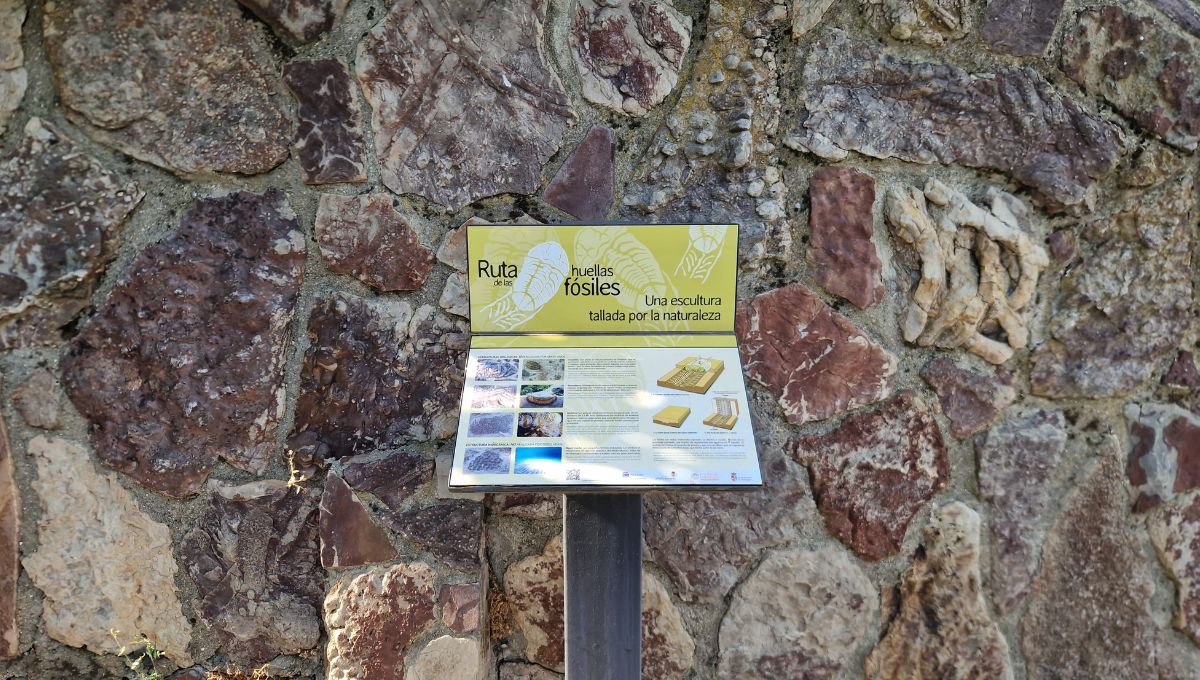
To help you find the best fossil sightings, Monsagro created the Ruta de las Huellas Fósiles — the Fossil Footprints Route. It’s a free, self-guided walk through the village, with informative panels (in Spanish) explaining the fossil types and where to look.
There’s even a mobile app with augmented reality. Point your phone at a rock, and you’ll see animated sea creatures from the Ordovician period crawling across your screen. It’s fun, interactive, and kids love it — mine certainly do.
Tip: Download the Fossil Footprints app before arriving (available on Android/iOS). Some AR features require internet, so it’s smart to preload info if you don’t have mobile data.
You can download a brochure and map of the Monsagro fossil route (in Spanish) by clicking here: Monsagro Brochure
Museo de los Mares Antiguos (Museum of Ancient Seas)
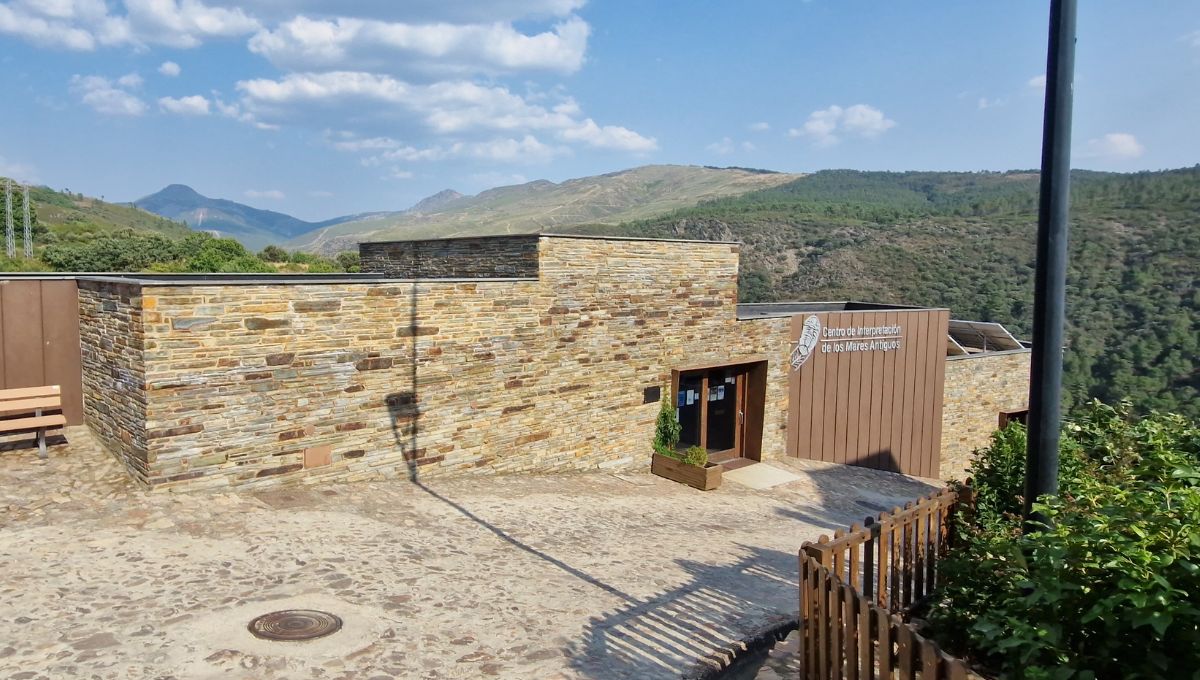
For a deeper look (and a break from the sun), stop by the Museum of Ancient Seas. It’s small but surprisingly modern, with a blend of in-person sessions, videos, fossil displays, and even a VR dive into an ancient ocean. My kids love that and keep asking to visit every time we are here. You can “swim” with trilobites while learning how Monsagro went from seabed to mountain village.
It’s great for families or anyone curious about geology — and it gives helpful context to everything you’ve been seeing in the streets.
If you’d like a tour, they do sometimes get full, so I’d recommend reaching out ahead of time. You can find more information and contact details on their website.
Monsagro’s Botanic Garden
At the top of the village, tucked between the hills and the village edge, you’ll find Monsagro’s Jardín Botánico — a charming botanic garden showcasing the native plants of the Sierra de Francia.
What makes this space special isn’t its size, but its purpose. It’s been designed as an educational loop where visitors can discover the types of herbs, shrubs, and trees that thrive in this mountain environment. Each plant is labeled, and there are panels explaining how locals have traditionally used them for cooking, medicine, or everyday life.
You’ll see everything from lavender and thyme to wild roses, oak saplings, and even rare mountain plants that cling to the rocky terrain. In spring and early summer, the place is buzzing — literally — with bees and butterflies flitting from bloom to bloom.
It’s an easy walk with kids, and there’s often shade if you want a peaceful place to sit and listen to the birds. In addition a small playground for the kids to unwind. If you’re into photography or botany, bring a notebook or camera — you’ll definitely spot a few rarities.
Drinking the Mountain Water – Straight from the Source
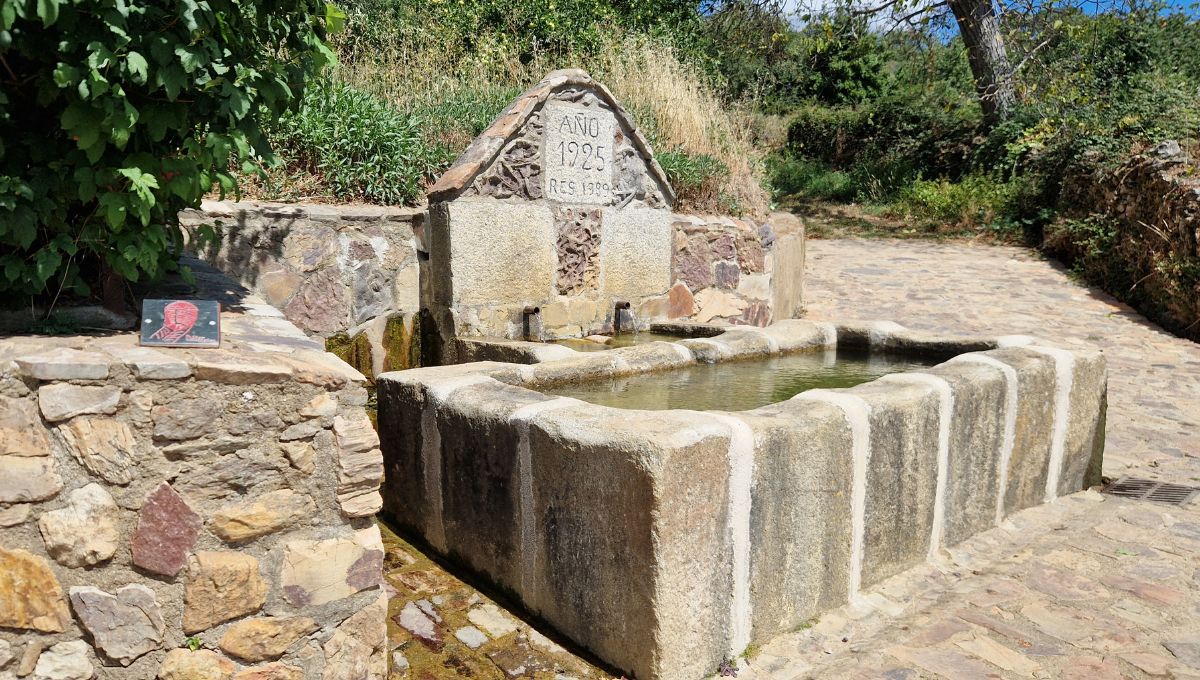
One of the most charming and refreshing aspects of life in Monsagro is the access to pure, mountain spring water. Throughout the village, you’ll find several old stone pilones — traditional troughs and fountains — where locals (and visitors) fill up bottles or take a sip straight from the source.
One local quirk is that everyone seems to have their favourite fountain where they think the water is better.
The water flows directly from the Sierra de Francia, filtered naturally through ancient rock layers. It’s crisp, clean, and delicious — and drinking it connects you to the land in the most elemental way.
Not only is it environmentally friendly, but it’s also a memorable travel moment — a literal taste of the landscape. We always fill up a few bottles on our way home… from our favourite fountain… of course,
Threshing Circles (Las Eras)
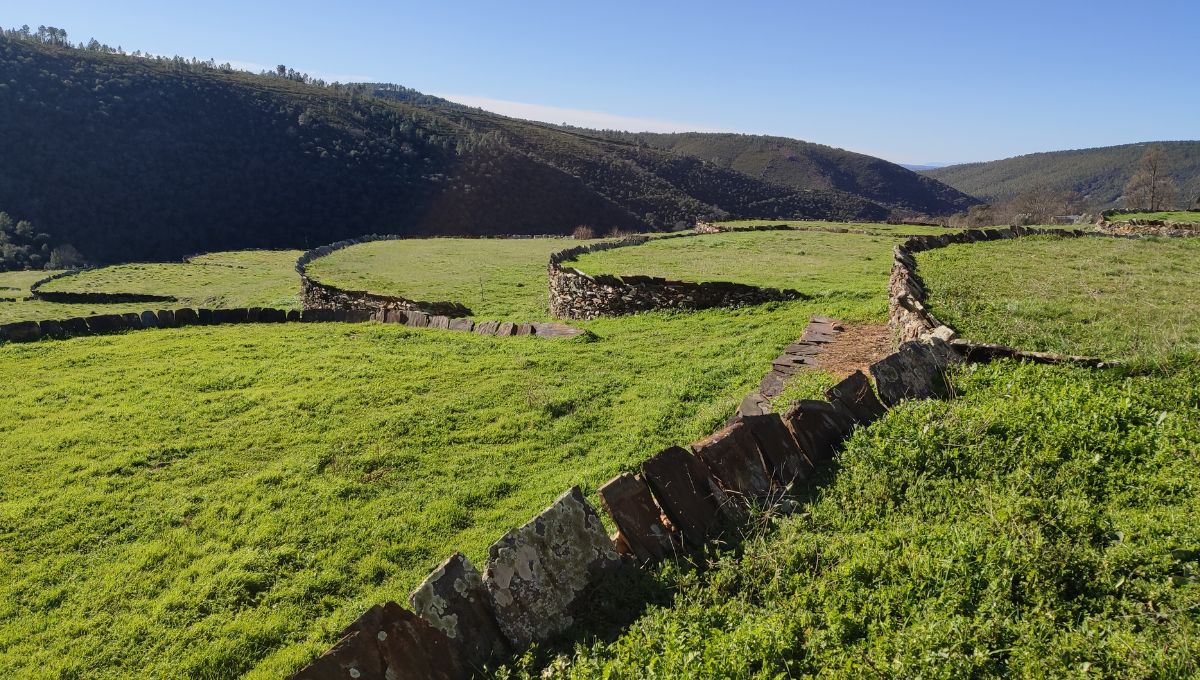
Just outside the village are over 30 circular threshing floors, known as eras. These flat stone rings were once used to separate grain from chaff — old-school style, with animals dragging stone rollers. Today, they’re quiet reminders of Monsagro’s farming past… until Threshing Day comes around. More on that a bit further on in this post.
The eras also offer some of the best views of the surrounding mountains across the valley and up to La Pena de Francia. It’s a great spot for sunset photos — or just sitting with a sandwich and soaking it all in.
Tip: For the best views, head to the eras at sunset — the light hits the village just right, and it’s a great quiet moment to reflect. Also, there is no shade (deliberately), so it can get really hot during the day.
Nature & Hiking in the Sierra de Francia
If you’re into nature — not just looking at it, but truly being in it — Monsagro is a dream. The village is surrounded by thick forests, pristine streams, and a whole network of well-marked trails that crisscross the Las Batuecas–Sierra de Francia Natural Park. This isn’t a sanitised parkland. It’s rugged, rich in biodiversity, and wildly rewarding.
Top Trails and Natural Spots
El Vao Trail
One of the easiest and most beautiful routes starts right in the village — the El Vao Trail. It winds gently along the Agadón River, through shady groves of oak and chestnut trees. Along the way, you’ll pass antique bridges, mossy stones, and the kind of forest that feels enchanted, especially in spring when wildflowers bloom in every colour.
It’s nice as you can do it as a loop with one way being the old path and returning on the newer road which offers a totally different experience and views.
Charco de los Mozos
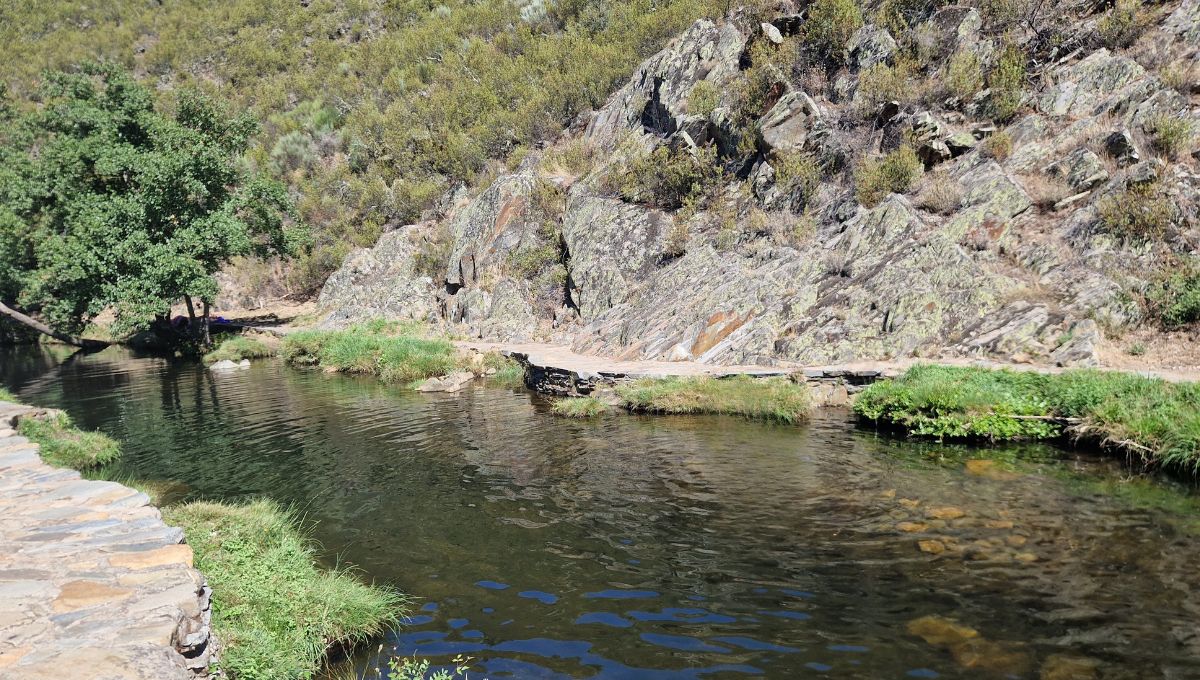
This is Monsagro’s best-kept summer secret — a natural swimming hole in the Agadón River. Clear water, smooth boulders, and just the right mix of shade and sunshine. It’s the perfect cooldown after a hike, and a favourite hangout for locals and visitors alike. Another spot we visit many times throughout summer as our kids just love it down there.
There is also the Piscina Municipal Serradilla del Arroyo nearby if you would like a relaxing swim with a toddler pool and lifeguards, a nice option for families with smaller kids.
Tip: Bring water shoes or sandals if you’ve got sensitive feet; the riverbed is rocky. A towel and snacks turn this into the perfect mini picnic spot.
Trails into the Sierra
From Monsagro, you can link up with longer, more demanding hikes that delve deep into the Sierra de Francia. The area forms part of the GR-10, a long-distance trail stretching across Spain. More local circuits branch out toward:
- Peña de Francia Sanctuary (approx. 1,720 m): This is another regular route of mine. You can hike the GR-10 or use the road to walk, (or drive if you want the quick way) to this mountaintop monastery, famous for panoramic views across Castilla y León. You can read more about the monastery in my post here.
- Batuecas Valley: A dramatic gorge with ancient cave art, towering cliffs, and hidden monasteries — a bit farther out but unforgettable.
Tip: Download a trail app like Wikiloc or AllTrails — many of the routes are well-marked, but signage can be faded or missing in places. Also, mobile coverage is spotty in the hills, so offline maps are your friend.
Wildlife & Landscape
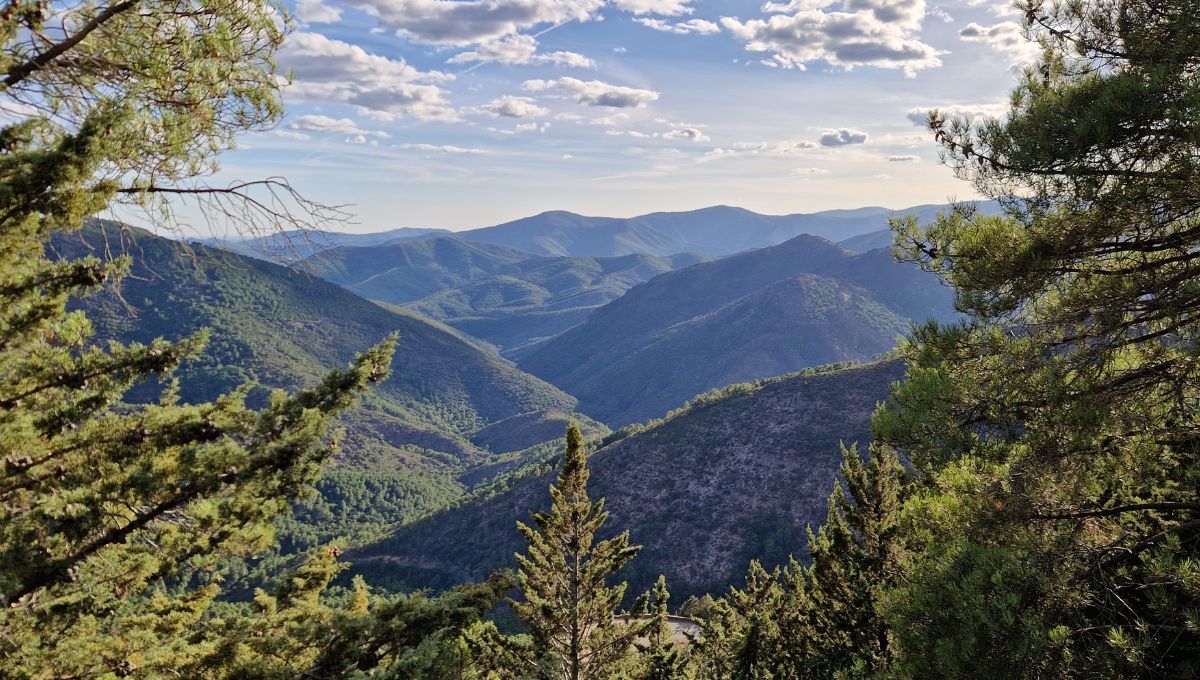
This part of Spain is teeming with wildlife. On a typical morning walk, you might spot deer slipping between trees, foxes stalking, goats scaling the slopes or hear wild boar rustling in the underbrush. And if you’re extra lucky, you could catch a glimpse of a Genet or even an Iberian lynx, both of which inhabit the park.
The flora is just as striking — chestnut and oak forests blanket the slopes, and in spring and early summer, the undergrowth is a riot of wildflowers, heather, and buzzing pollinators. Autumn transforms everything into a tapestry of golds and russets.
And of course, if you’re into birdwatching, bring your binoculars. The park is home to eagles, woodpeckers, and many species of migratory birds. Early morning or dusk is the best time for wildlife spotting. With the Natural Park of Las Batuecas being a designated ZEPA zone, it is a haven for our winged friends.
When to Visit Monsagro – Events, Seasons & Local Life
What’s the Best Time of Year to Visit Monsagro?
You really can’t go wrong visiting Monsagro any time of year — each season brings its own charm — but if I had to pick a favourite, late spring wins it for me.
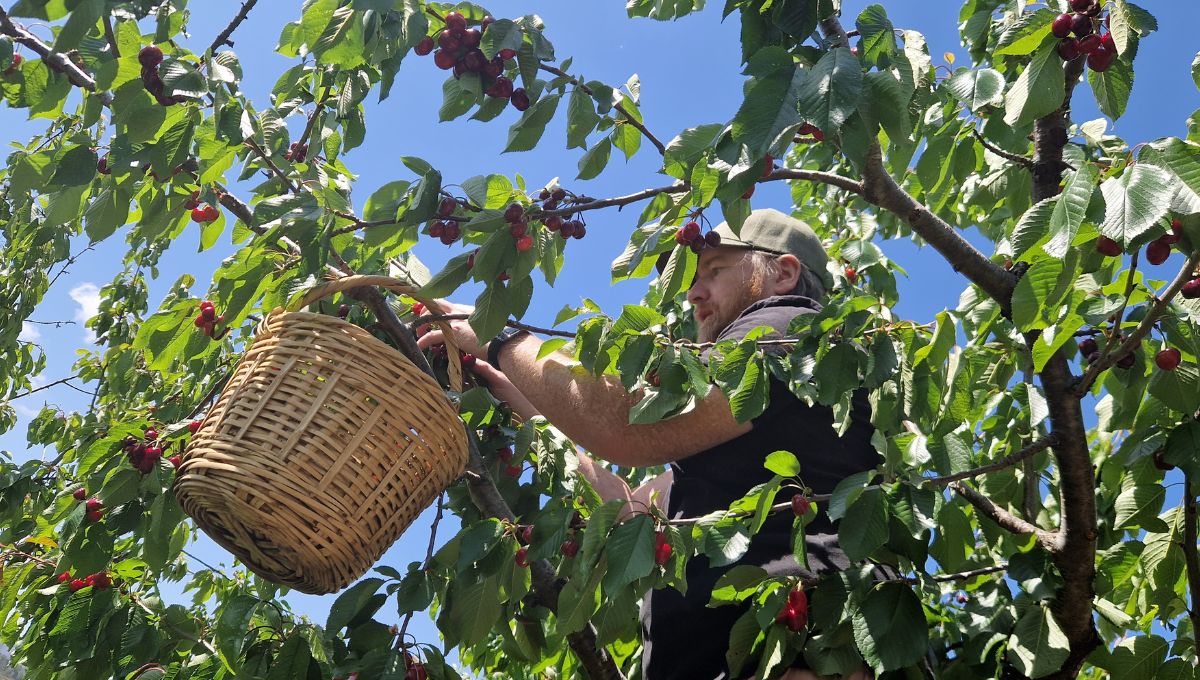
Around May to early June, the mountains and villages burst into bloom. Wildflowers spill across the hills, the days are warming up, and everything smells green and alive. If you time it just right, you might even catch the cherry trees ripening, and trust me, picking them fresh off the branch and popping them into your mouth. Absolute joy.
Summer (July–September) is when Monsagro is at its most vibrant. Many families return for holidays, and the village feels full and alive. Kids play late into the night, there are fiestas, and the river pools are warm enough for a long soak after a hike.
Easter is another moment when the village swells with returning families — it’s a lovely window into how deeply rooted this place is in the hearts of those who grew up here.
Autumn brings a peaceful kind of beauty — golden chestnut trees, quiet trails, and cool, crisp air. Great for hiking if you want fewer crowds.
And while winter is the quietest season, it’s also surprisingly magical. The village slows down, chimneys puff gently, and if you’re here for New Year’s Eve, you’ll find the whole village gathering in the plaza to welcome the year together, bundled up, smiling, and sharing warmth in every sense.
What Local Events and Festivals Should You Know About?
Summer Festivals: Throughout the summer, the town hall organises events — especially for children — including magic shows, circus acts, and open-air activities. Everyone joins in, no matter their age.
One evening I always look forward to is bingo night — a community event where villagers and visitors alike come together to win prizes donated by local businesses. Last year, my mother-in-law won a meal at the Hotel Rural Valle Agadón and kindly passed it on to us.
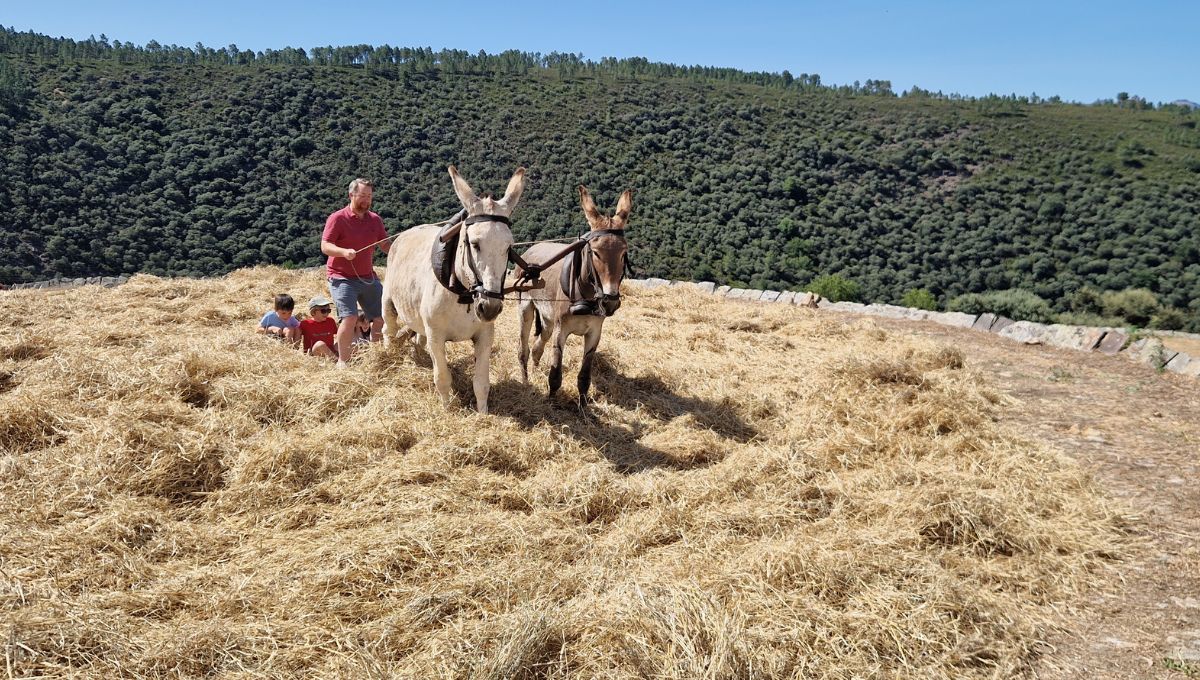
Día de la Trilla (Threshing Day Festival): Held every year in early August, this is Monsagro’s most iconic celebration. Locals re-enact traditional grain threshing techniques using donkeys and stone rollers. Visitors are welcome to join in — it’s fun, hands-on, and yes, a bit dusty.
Fiestas del Cristo del Amparo: Taking place in early September, this religious festival brings processions, live bands, communal meals, and even a cattle run through the village streets. It’s the most spirited time of the year — Monsagro at its most alive.
Local Food – What to Eat in Monsagro
You won’t go hungry in Monsagro — but this isn’t a place of endless menus and flashy food scenes. It’s honest, rustic, and wonderfully local.
First stop: Tino the butcher. If you love cured meats, this is heaven. They sell jamón ibérico and chorizo that’s rich, flavorful, and cut with just the right amount of ceremony. We never leave without grabbing a vacuum-packed slab or two — perfect for picnics or sneaky midnight snacks long after the trip’s over.
For food and drink, Monsagro has two bars — each with its own charm:
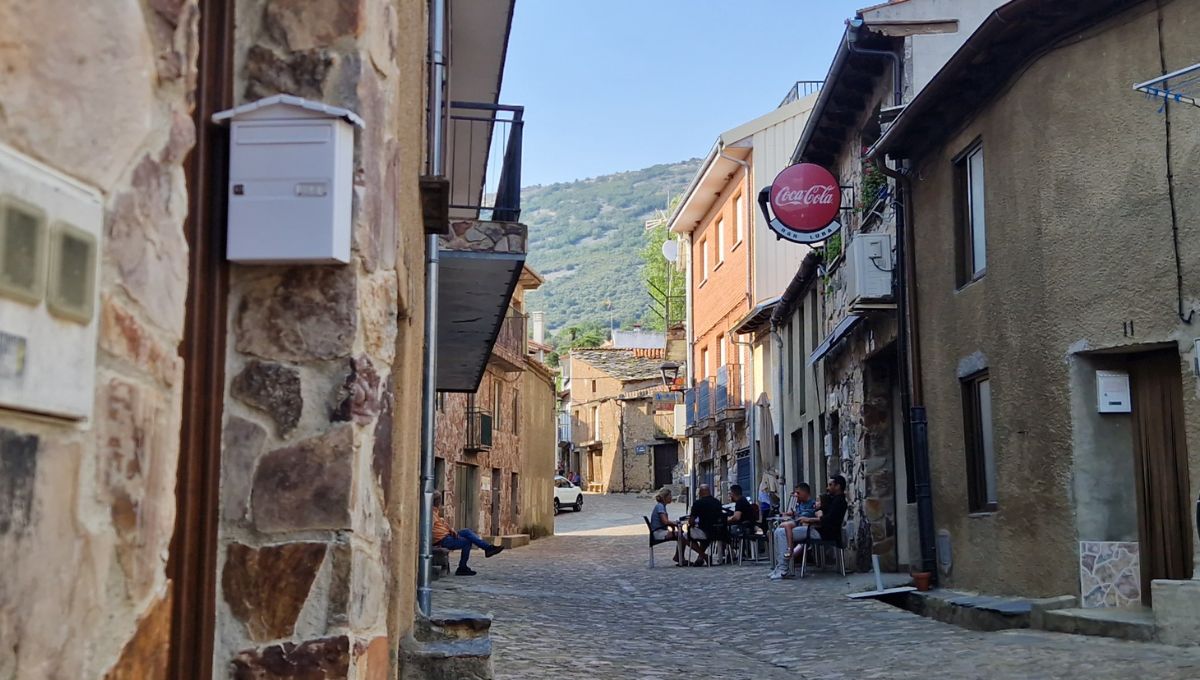
- La Luna, near the Plaza Mayor, is a classic village hangout. They serve homemade tapas (think tortillas, chorizo in cider, fried pigs ear) and even offer pizza for when the kids want something familiar. It’s casual, friendly, and ideal for a quick bite or evening drink while the plaza fills with chatter and kids’ laughter.
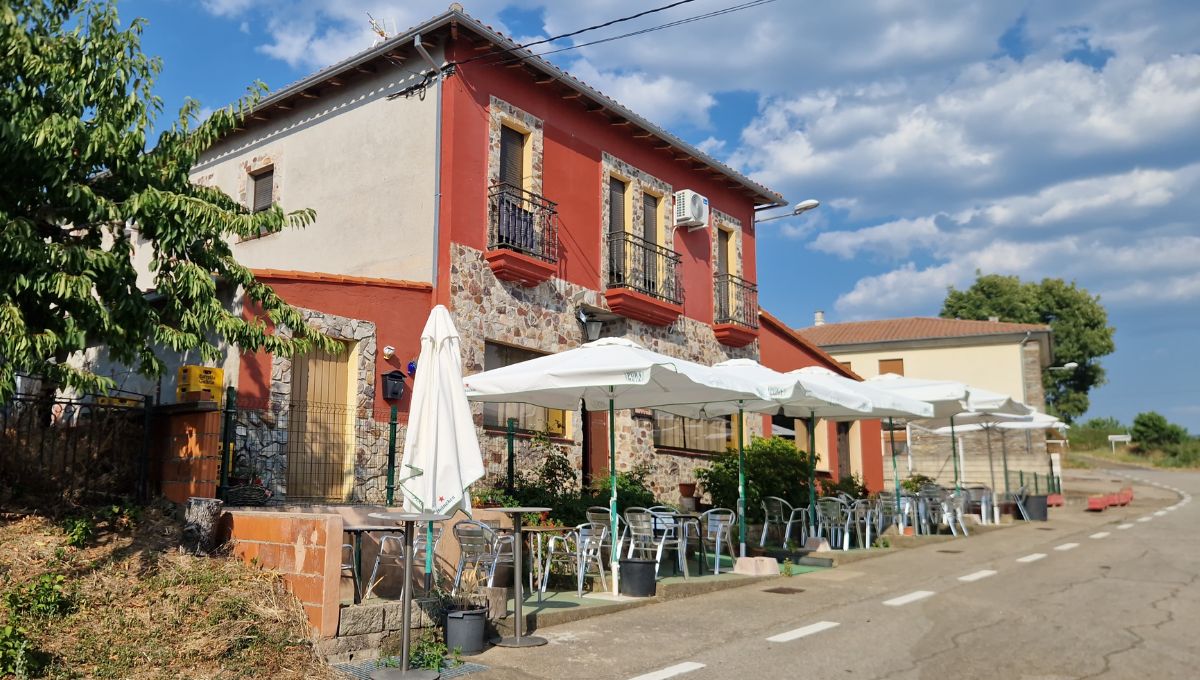
- For something more formal, Hotel Rural Valle Agadón on the edge of the village offers a proper sit-down dining experience. The food is thoughtfully prepared, often featuring local ingredients and traditional recipes with a touch of flair. It’s a small operation, so booking ahead is recommended, especially since they close during certain parts of the year.
Nearby towns like La Alberca or Ciudad Rodrigo offer broader dining options if you’re planning a food-focused day trip. But truth be told, Monsagro’s humble bites — served with a view, a smile, and maybe a bit of mountain breeze — are hard to beat.
Staying in and Reaching Monsagro
Where Can You Stay in Monsagro?
Monsagro has a small rural hotel (the aforementioned Hotel Rural Valle Agadón with a bar/restaurant) and a few Casa Rurales — self-catering guesthouses perfect for families. Both are cozy, family-run, and in high demand during summer, so it’s wise to book ahead.
If they’re full, you can base yourself in La Alberca (about 45 minutes away) or Ciudad Rodrigo (also 45 minutes), and visit Monsagro as a day trip.
What’s the Best Way to Get to Monsagro?
By Car: From Salamanca, take the A-62, then head south on the SA-220 and local mountain roads. The last 13 km is a winding climb through forest — slow but scenic.
By Public Transport: Sparse. The only direct bus to Monsagro leaves from Ciudad Rodrigo and you can see the times here. Ciudad Rodrigo is simple to get to from Salamanca with plenty of buses throughout the day.
Tip: Rent a car if you can — not only for getting there but for exploring nearby trails and villages.
Frequently Asked Questions About Monsagro
Q: Where exactly is Monsagro located?
Monsagro is a small mountain village in the Sierra de Francia, in western Salamanca Province, Spain. It’s part of the Las Batuecas–Sierra de Francia Natural Park, a UNESCO Biosphere Reserve known for its rugged beauty, chestnut forests, and biodiversity.
Q: What is the Fossil Footprints Route?
The Ruta de las Huellas Fósiles is a self-guided walking route through the village that highlights these fossil finds. Informative panels and an optional mobile app help you spot trilobites, skolithos, and other traces along the way.
Q: What makes Monsagro geologically special?
The village is famous for its ancient marine fossils — trilobite tracks, ripple marks, and burrows — embedded in the stone walls of houses. These are over 500 million years old and come from a time when the area was a prehistoric seabed.
Q: Are there fossils you can touch in Monsagro?
Yes — you’ll find fossilized trails embedded in homes and walls across the village. The Fossil Footprints Route helps guide you to the most interesting specimens.
Q: Is Monsagro suitable for kids and families?
Absolutely. With easy trails, a botanical garden, the natural swimming hole at Charco de los Mozos, and family-oriented summer festivals, it’s ideal for a rural family escape.
Q: Is English spoken in Monsagro?
It’s primarily a Spanish-speaking village, but signage on trails and at the museum provides helpful context. A translation app or phrasebook can go a long way.
Q: Do I need hiking experience to enjoy the trails?
Not at all. Trails like El Vao are easy and scenic, while more demanding routes like the climb to Peña de Francia offer options for experienced hikers.
Q: Can I find vegetarian or special diet food in Monsagro?
Options are limited but doable. Tapas like tortilla, local salads, and simple vegetable dishes are common, and restaurants are usually happy to accommodate if asked in advance.
Q: Is there a signature local event to experience?
Yes — Monsagro celebrates the Día de la Trilla every August, a lively threshing festival held on the village’s ancient stone eras (threshing circles). It features traditional grain-separation techniques with donkeys and antique tools, followed by music and community festivities.
Final Thoughts – Why Monsagro Belongs on Your Travel List
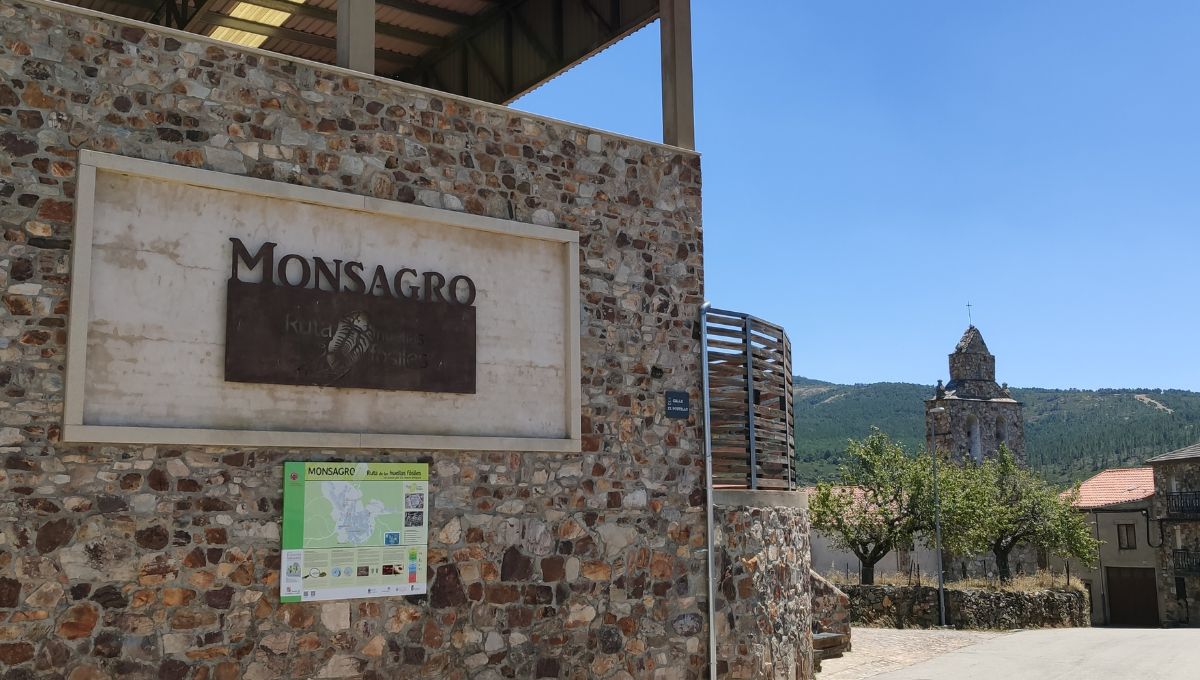
I’ve visited dozens of Spanish towns, but none have quite the same hold on me as Monsagro. Maybe it’s the fossils on doorsteps. Maybe it’s the wildflowers carpeting the hills in spring. Maybe it’s the way my kids light up playing in the plaza until long past bedtime.
Or maybe it’s just the rare feeling that — in a world rushing forward — Monsagro remains beautifully, stubbornly itself.
If you’re looking for a place to slow down, reconnect with nature, and touch both deep time and deep culture, come to Monsagro.
And if you do — let me know what fossils you find.

About the author
Matthew is a seasoned traveller and founder of The Travel Blogs, where he shares his passion for exploring the world with more than 20 years of globetrotting experience behind him and more to come! Currently living in Madrid, Spain, he loves to discover new places with his young family across Spain and Portugal while still including regular trips to far-flung destinations. Don’t forget to follow The Travel Blogs on Facebook and YouTube for even more inspiration and tips!